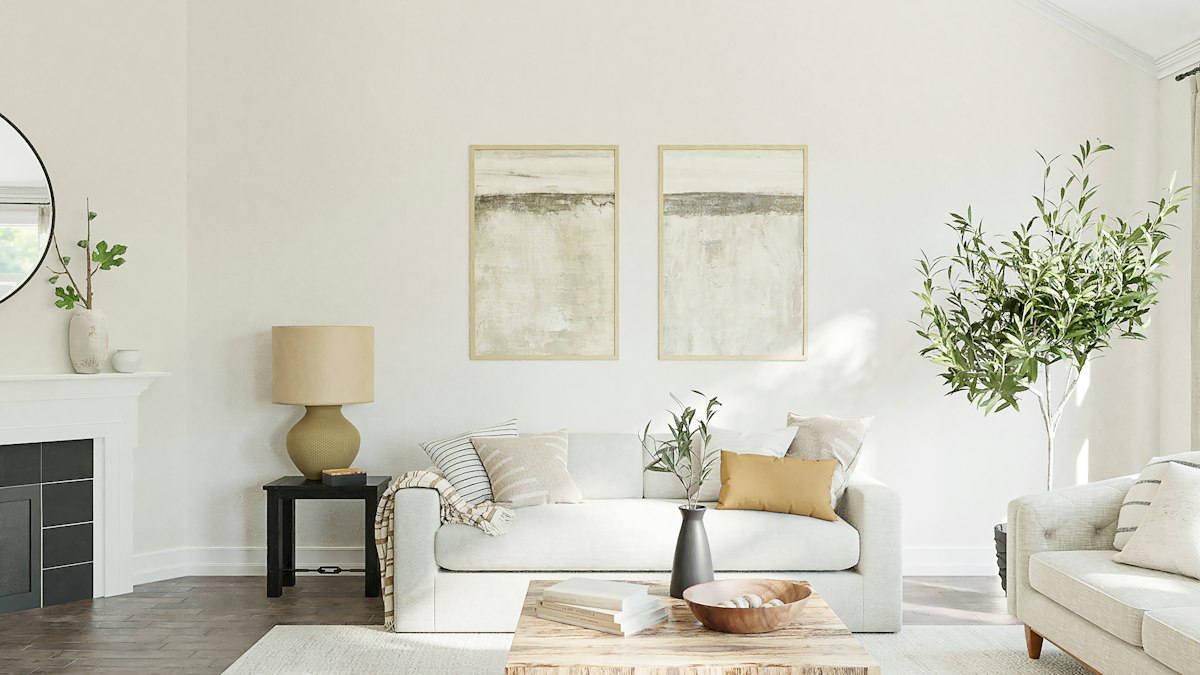
Affordable Interior Design: How to Create a High-End Home on a Realistic Budget
Many homeowners and renters assume that achieving an elevated, magazine-worthy home requires an endless budget and an expensive design firm on retainer. The reality is that lavish spending does not automatically produce cohesive, comfortable spaces. Poorly proportioned rooms, chaotic color palettes, and impulse buying can derail a project just as easily with a hundred thousand dollars as with three thousand.
Budget limitations often force better, more intentional creative choices. When you cannot simply throw money at custom cabinetry or bespoke Italian sofas, you learn to prioritize spatial balance, tactile textures, and clever architectural illusions. High-impact decorating relies far more on discipline, proportions, and lighting than on the retail price tag of your furniture.
Related posts
Finding the Best Interior Contractors: Professional Standards for High-End Renovations
Walking into a stripped-down room with nothing but bare studs and a vision is an intimidating moment for...
Read more →
Strategic Commercial Office Design: Optimizing Workspaces for Performance and Culture
The traditional office was once a place where people were required to be. Today, the modern workplace must...
Read more →
Office Room Interior Design: Strategies for Focus, Ergonomics, and Workflow
A poorly planned workspace wears you down before the workday even hits its midpoint. Glaring overhead fixtures cause...
Read more →
Smart Small Office Interior Design: Strategies for Space, Focus, and Budget
Leasing commercial square footage represents one of the most substantial ongoing line items for any growing business. When...
Read more →Exploring affordable interior design means understanding how industry insiders source materials, manage procurement, and prioritize spending. Modern design models—such as digital consultations and flat-fee e-design services—have also dismantled the old luxury gatekeeping of the trade. Anyone with an eye for detail can craft an inspiring sanctuary without accumulating crushing debt.
This breakdown examines practical workflows, smart sourcing secrets, spatial principles, and professional trade-offs that help you maximize every dollar spent on your living environment.
Key takeaways
- Plan your layout before purchasing to eliminate costly dimensional mistakes and buyer's remorse.
- Adopt the high-low investment rule by allocating funds to high-contact foundational pieces while sourcing accents economically.
- Leverage virtual e-design platforms to obtain professional layouts, shopping lists, and trade discounts at a fraction of traditional full-service fees.
- Prioritize lighting, paint, and hardware upgrades as the three fastest, most cost-effective methods to achieve an upscale aesthetic.
The Cost Reality: Full-Service vs. E-Design vs. DIY
Before buying a single throw pillow or painting a test swatch, you must understand where your money actually goes when designing a room. Traditional full-service interior design typically involves hourly rates ranging from $100 to over $350 per hour, alongside procurement markups of 15% to 35% on furniture orders. For a single living room, professional fees alone can easily surpass $4,000 before you purchase a single armchair.
If your overall project budget is under $10,000, paying traditional hourly fees eats up capital that should go toward tangible goods. Fortunately, the rise of flat-rate virtual interior design (e-design) has transformed the landscape. E-designers provide spatial floor plans, 3D renderings, paint schedules, and direct purchasing links for a predictable flat rate per room—frequently between $200 and $1,200.
A DIY approach paired with targeted design assistance offers the sweet spot for budget-conscious homeowners. By hiring a designer for a two-hour virtual layout consultation, you gain expert perspective on scale and traffic patterns, leaving the sourcing and assembly to your own schedule.
The High-Low Investment Formula
Professional interior designers rarely purchase every single piece from luxury trade showrooms. Instead, they master the high-low formula: blending select investment pieces with accessible, affordable finds so the entire room appears more expensive than it is.
Where to Invest Your Capital
Direct your hard-earned dollars toward items that experience daily friction, physical contact, and structural stress. Skimping on these items creates discomfort and guarantees replacement costs within three years:
- The Primary Sofa: Look for kiln-dried hardwood frames, high-resilience foam wrapped in down or synthetic batting, and durable performance fabrics. A well-built sofa can be reupholstered down the road; a cheap particle-board frame will simply snap.
- The Primary Mattress: Sleep quality dictates daily wellness. Invest here before buying secondary bedroom decor.
- Dining Chairs and Task Seating: Any chair used for multiple hours daily must feature proper ergonomic support and resilient joinery.
- Flooring and Large Rugs: Synthetic rugs often release volatile compounds and wear down quickly in traffic lanes. Aim for wool flat-weaves or high-grade natural jute, which offer durability and timeless appeal.
Where to Economize Aggressively
Other room components carry almost no structural load and function strictly as visual or textural accents. These items can be sourced cheaply without compromising quality:
- Accent and Side Tables: A pedestal table holds a drink and a table lamp. Thrifted travertine, painted metal, or solid wood side tables from estate sales perform just as well as designer options.
- Lighting Pendants and Sconces: As long as fixtures meet local electrical safety certifications, inexpensive lighting designs look identical to high-end versions once installed.
- Wall Art and Prints: Avoid generic mass-produced canvas prints. Download public-domain museum art scans, print them via professional print shops, and frame them in off-the-shelf frames with oversized custom mats.
- Textiles and Cushion Covers: Purchase linen and velvet pillow covers from discount suppliers, but swap the cheap polyfill inserts for quality down or feather cushions to achieve that designer chop.
High-Impact, Low-Cost Architectural Upgrades
Furniture alone cannot compensate for a bland, poorly lit room. If your home feels uninspired, decorative styling should take a backseat to three fundamental physical upgrades that deliver outsized visual returns.
The Power of Intentional Paint
Paint is the most economical tool in interior design. A five-gallon bucket of quality architectural paint costs less than a designer table lamp but changes the atmospheric quality of an entire room. Move away from default builder beige or cold rental gray.
Consider color drenching—painting the walls, baseboards, door trim, and even ceiling in the exact same hue or tonal variations of a single shade. This technique blurs room boundaries, visually elevates low ceilings, and lends an enveloping, luxurious mood. Satin or semi-gloss finishes on architectural trim paired with flat or matte finishes on the walls add depth without adding cost.
Upgrading Contact Points and Hardware
You interact with door handles, cabinet pulls, and light switches dozens of times each day. Cheap, hollow contractor-grade hardware instantly betrays an otherwise lovely room. Swapping thin stamped-metal cabinet knobs for solid unlacquered brass, blackened iron, or ribbed matte black hardware creates an immediate perception of quality.
Replace plastic switch plates with screwless wall plates or vintage-inspired toggle switches. This simple afternoon project costs very little while reinforcing an attention to craft throughout your home.
Layered Illumination vs. Overhead Glare
Relying solely on a central ceiling fixture—often called the overhead glare—flattens a room and makes it feel clinical. High-end design depends entirely on layered lighting: ambient, task, and accent.
Aim for three to five light sources in every primary living area, positioned at varying heights. Place warm-toned (2700 Kelvin) LED bulbs in floor lamps, table lamps, and picture lights. Inexpensive wireless, rechargeable sconces can be mounted to walls without calling an electrician, providing atmospheric perimeter lighting on a tight budget.
Sourcing Secrets: Where Designers Shop for Less
Finding exceptional pieces at low price points requires shifting away from big-box furniture catalogs where items are overpriced for their synthetic construction. Build your patience and practice alternative sourcing avenues:
- Architectural Salvage and Vintage Consignment: Vintage solid-wood dressers, credenzas, and dining tables are frequently constructed with dovetail joinery and dense old-growth timber, yet sell for less than new composite-wood furniture at retail chains.
- Direct-to-Consumer Wholesalers: Cut out retail markups by buying foundational textiles, linen sheets, and stoneware accessories directly from specialized makers rather than branded lifestyle boutiques.
- Open-Box and Floor-Model Clearances: High-end design retailers routinely discount returned items, discontinued fabric samples, and showroom floor models by 40% to 70%. Inspect items in person to verify structural soundness.
- Customizing Big-Box Staples: An entry-level bookcase or basic storage cabinet can be elevated into a bespoke built-in. Add wood trim molding, caulk the seams, paint the unit in a rich hue, and fit modern hardware to create a customized look for a fraction of carpenter rates.
Spatial Planning: Avoid the Most Expensive Mistakes
The most common budget trap is not buying cheap items; it is buying items that do not fit. A sofa that blocks natural walkway flow or a dining table that crowds chairs against the wall creates permanent visual tension. Returning large freight furniture incurs hefty restocking and shipping fees that drain your wallet.
Always sketch your room to scale using graph paper or free online layout tools before spending money. Maintain at least 30 to 36 inches for primary walkways, and keep 14 to 18 inches between your sofa and coffee table for comfortable reach. Use painter's tape on the floor to outline the exact dimensions of prospective furniture. Live with the tape outlines for two days to observe how your household moves through the space.
A Phased Implementation Plan
Trying to decorate an entire home in a single weekend is an invitation to stress, impulse purchases, and compromised aesthetics. The best homes evolve organically over time. Break your transformation into structured execution phases:
- Phase 1: Clear and Edit. Remove clutter, broken furniture, and decor you no longer appreciate. A clean slate clarifies true functional needs.
- Phase 2: Architectural Envelope. Complete all painting, trim work, and basic electrical fixtures before bringing in new furnishings.
- Phase 3: The Anchor Anchors. Order your primary functional pieces—sofa, bed frame, dining table—ensuring dimensions match your floor plan.
- Phase 4: Secondary Layering. Introduce rugs, accent chairs, secondary lighting, and window treatments to build warmth.
- Phase 5: Vintage and Personal Styling. Take your time collecting artwork, ceramic objects, and books that tell your personal story rather than filling shelves with generic showroom filler.
Frequently Asked Questions
What is the average cost of an affordable interior designer?
Virtual e-design services typically charge flat rates between $200 and $1,200 per room, depending on the level of detail and 3D rendering included. In-person independent designers operating on an accessible tier often offer design-day packages or consultations ranging from $75 to $150 per hour without requiring long-term retainers or large purchasing commitments.
Can you execute affordable interior design in a rental property?
Yes. Renters should focus on portable, non-permanent enhancements. Invest in quality freestanding furniture, layered rugs that mask unattractive carpet, plug-in wall sconces, peel-and-stick wallpaper, and upgraded cabinet hardware (saving the originals to reinstall before move-out). These investments travel with you to your next home.
How does virtual e-design actually work?
You start by providing your designer with room measurements, photos, inspirational imagery, and budget figures. The designer builds a scaled floor plan, curated mood board, color palette, and clickable shopping list with exact retail links. You then purchase and assemble the items on your own timeline, saving the expense of project management fees.
What is the single most cost-effective way to make a room look expensive?
Installing drapery panels hung high and wide is one of the most transformative techniques available. Mount curtain rods near the ceiling rather than right above the window frame, and extend the rod past the window sides. Hang floor-to-ceiling drapery panels with substantial weight. This simple trick expands the visual scale of windows and creates architectural height.
How should I set a realistic budget for decorating a room?
Itemize every required element in a spreadsheet before buying. Categorize items into non-negotiables (mattress, sofa) and secondary accents (pillows, art). Establish a realistic total, add a 15% contingency fund for shipping, taxes, and unexpected assembly hardware, and purchase in stages as savings allow.
Conclusion
Affordable interior design is not about settling for disposable furniture or copying fleeting social media trends. It is an intentional design approach that values spatial awareness, structural durability, and thoughtful curation over brand prestige. By focusing your financial resources on foundational pieces, transforming rooms with paint and layered lighting, and sourcing character-filled vintage elements, you can design a sophisticated home that honors both your personal aesthetic and your financial boundaries.