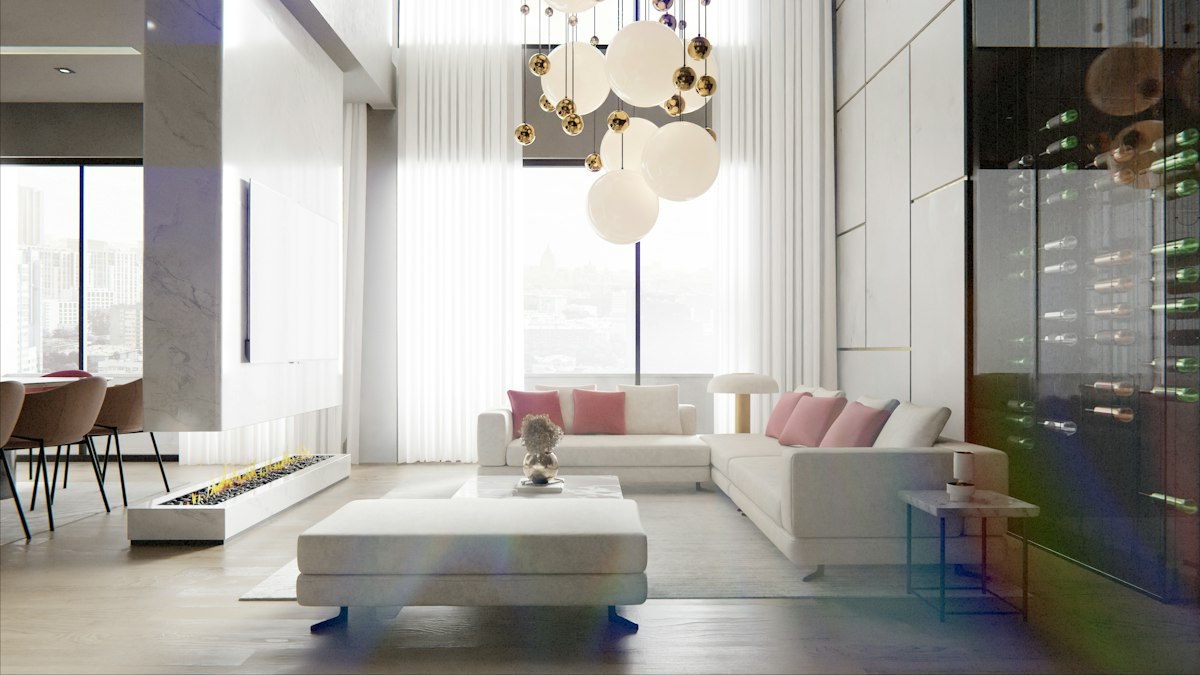
Affordable Home Transformation: Practical Low Budget Interior Design Strategies
Walking into a home that feels curated and intentional should not require a second mortgage. Many homeowners look at glossy magazine spreads and assume those aesthetics are reserved for the wealthy, but that perspective ignores the most important rule of design: creativity scales better than cash. When you approach your living space with a clear plan, you can achieve a sophisticated look without the high price tag. It is about making smarter decisions, not spending more money.
This discussion focuses on the tactical side of low budget interior design. We are not just talking about buying cheaper pillows; we are exploring how to manipulate light, color, and layout to create a cohesive environment. Whether you are dealing with a cramped rental or a fixer-upper that has drained your savings, there are specific, actionable steps you can take right now to elevate your surroundings. The goal is to make your home feel like a reflection of your personality rather than a collection of random furniture.
Related posts
Finding the Best Interior Contractors: Professional Standards for High-End Renovations
Walking into a stripped-down room with nothing but bare studs and a vision is an intimidating moment for...
Read more →
Strategic Commercial Office Design: Optimizing Workspaces for Performance and Culture
The traditional office was once a place where people were required to be. Today, the modern workplace must...
Read more →
Affordable Interior Design: How to Create a High-End Home on a Realistic Budget
Many homeowners and renters assume that achieving an elevated, magazine-worthy home requires an endless budget and an expensive...
Read more →
Office Room Interior Design: Strategies for Focus, Ergonomics, and Workflow
A poorly planned workspace wears you down before the workday even hits its midpoint. Glaring overhead fixtures cause...
Read more →We will break down the strategies that professional decorators use when they need to stretch a client's dollar. From the transformative power of a single gallon of paint to the art of shopping your own home, this article covers the fundamental principles of affordable styling. You will learn how to prioritize your spending, where to find hidden gems, and how to avoid the common mistakes that make budget interiors look cluttered rather than chic. Let's look at how you can start your transformation today.
Key takeaways
- Prioritize high-impact changes like wall color and lighting, which offer the most significant visual return for the lowest investment.
- Embrace the High-Low philosophy by investing in one focal piece while sourcing secondary items from thrift stores or discount retailers.
- Focus on layout and decluttering before buying anything new, as a clean and functional floor plan costs nothing but time.
- Utilize textiles and hardware to modernize dated furniture or rooms without undergoing full renovations.
The Foundation of Low Budget Interior Design
Before you pick up a paintbrush or browse a thrift shop, you must understand that great design is about editing. The most common mistake in affordable decorating is trying to fill every corner with items just because they were inexpensive. This leads to visual noise, which is the enemy of a sophisticated home. Instead, think like a curator. Ask yourself what the room actually needs to function and what mood you want to evoke. Does that extra side table serve a purpose, or is it just taking up floor space?
Low budget design requires a shift in mindset. You are no longer a passive consumer; you are a problem solver. Instead of looking for a specific expensive coffee table, you look for a piece with the right "bones"—the shape and size—that can be refinished or painted. This approach allows you to bypass the premium prices of trendy showrooms while still achieving a custom look. It is about seeing the potential in the ordinary and having the patience to wait for the right piece.
The Power of Paint and Color Theory
Paint is arguably the most effective tool in your arsenal. It is relatively inexpensive, accessible, and can be corrected if you make a mistake. A fresh coat of paint does not just change the color of a wall; it changes how the light interacts with the space. If a room feels small and dark, a crisp off-white or a soft neutral can open it up instantly. Conversely, if a room feels cold and cavernous, a dark, moody hue can make it feel intimate and high-end.
Choosing the Right Finish
Do not overlook the finish. Flat or matte paints are excellent for hiding imperfections on old walls, which is common in older, budget-friendly homes. Satin or eggshell finishes offer a slight sheen that reflects light and is easier to clean, making them ideal for high-traffic areas like hallways or kitchens. By choosing the right finish, you ensure your project lasts longer and looks more professional. It is a small detail that makes a massive difference in the final result.
Beyond the Walls
Paint is not just for drywall. Consider painting your kitchen cabinets, old wooden furniture, or even floor tiles using specialized kits. A dated oak dresser can become a modern statement piece with a coat of navy blue paint and some brushed brass handles. This upcycling is the cornerstone of budget-conscious styling because it breathes new life into items you already own or found for a pittance at a yard sale.
Lighting: The Secret to an Expensive Atmosphere
Lighting is where most DIY designers struggle. If you rely solely on a single overhead fixture, your home will never feel truly polished. Professional designers use layers. Even on a tight budget, you can implement this by adding floor lamps, table lamps, and even battery-operated sconces. The goal is to eliminate harsh shadows and create pools of light that draw the eye to specific areas. It creates depth and warmth that a single bulb cannot provide.
Warm-toned LED bulbs are an essential upgrade. Swap out any daylight or cool-blue bulbs that make your home feel like a clinical office. Look for bulbs in the 2700K to 3000K range. This simple change costs very little for an entire apartment but dramatically improves the cozy factor and makes your furniture materials look richer. It is perhaps the highest return on investment you can find in home improvement.
Strategic Sourcing and Thrifting
Where do you find the goods? The secret to low budget interior design is knowing where to look. Online marketplaces, estate sales, and local charity shops are gold mines for solid wood furniture. Modern mass-produced furniture is often made of particleboard and veneer, which does not age well. Older pieces are often built with better craftsmanship and just need a little attention to shine again.
When thrifting, look for silhouettes. Ignore the ugly fabric on a chair or the scratched surface of a table. If the shape is classic and the structure is sound, it is a candidate for a makeover. Reupholstering a seat cushion is a beginner-friendly task that requires only a staple gun and a yard of fabric, yet it can make a cheap chair look like a boutique find. This is how you build a home with character rather than one that looks like a furniture catalog.
The Art of the High-Low Mix
You do not have to buy everything second-hand. The most successful budget interiors use a high-low mix. This means you spend a larger portion of your budget on one or two anchor pieces—like a high-quality sofa or a beautiful rug—and save on everything else. The presence of one high-quality item elevates the perceived value of the surrounding budget items. It tricks the eye into seeing the entire room as more expensive than it is.
For example, you might pair a well-constructed, comfortable sofa with inexpensive side tables and thrifted lamps. Because the sofa is the focal point and looks premium, the eye assumes the rest of the room is of similar quality. This is a strategic way to manage your cash flow while ensuring the pieces you use most often are durable and comfortable. It is about balancing longevity with immediate aesthetic needs.
Textiles and Soft Goods
Rug size matters immensely. A common mistake is buying a rug that is too small because it is cheaper. A small rug makes a room look disjointed and unfinished. If you cannot afford a large, high-end rug, buy a large natural fiber rug, such as jute or sisal, and layer a smaller, more decorative rug on top of it. This provides the necessary scale without the massive price tag and adds a professional layered look to the space.
Curtains should be hung high and wide. Instead of mounting the rod right above the window frame, mount it closer to the ceiling and extend it past the sides of the window. This makes your windows look larger and your ceilings look higher. Look for linen-blend curtains at discount retailers; they provide a texture that polyester simply cannot match. Small adjustments in how you hang textiles can change the entire architectural feel of a room.
The Impact of Hardware and Details
Often, the difference between a budget kitchen and a designer one is the hardware. Most builder-grade homes come with generic, inexpensive knobs and pulls. Replacing these with matte black, brushed brass, or even glass hardware can completely change the vibe of the room. This is a project that requires only a screwdriver and can be completed in an afternoon for a very modest cost. It is a detail that guests notice immediately.
Think about other small details that contribute to the overall feel. Switching out plastic switch plates for metal ones or replacing a standard shower head with a rainfall model are relatively inexpensive upgrades that add a sense of luxury. These micro-investments accumulate to create a finished look that suggests a much higher budget than was actually spent. They provide the finishing touches that make a house feel like a home.
Frequently Asked Questions
What is the most important thing to spend money on in a living room?
If you have a limited budget, invest in the sofa. It is the most used piece of furniture and the visual anchor of the room. A cheap sofa will wear out quickly and look saggy within a year, whereas a mid-range, well-constructed sofa can last a decade and keep the room looking sharp. You can save on decor, side tables, and rugs, but do not skimp on the piece you sit on every day.
How can I make a rental look better without losing my security deposit?
Focus on non-permanent upgrades. Use peel-and-stick wallpaper for an accent wall, swap out standard cabinet hardware for something more stylish (just save the originals to put back later), and use large area rugs to cover unattractive flooring. Lighting is also key—adding floor lamps means you do not have to rely on the landlord's outdated ceiling fixtures.
Is DIY interior design always cheaper?
Not always. DIY is cheaper if you already have the tools or if the project is straightforward, like painting or basic sewing. However, complicated projects like electrical work, plumbing, or structural changes can end up costing more if you make a mistake that requires a professional to fix. Always weigh the cost of materials and your time against the price of a professional service before starting.
How do I choose a color palette on a budget?
Stick to a 60-30-10 rule to keep things cohesive. 60% of the room should be a dominant neutral color (usually the walls), 30% a secondary color (upholstery or curtains), and 10% an accent color (pillows, art, or small decor). Staying within a limited palette makes the room feel unified and intentional, which is a hallmark of professional design and prevents you from buying mismatched items.
How do I make a small room feel larger on a budget?
Use mirrors to reflect light and create the illusion of depth. Placing a large mirror opposite a window is a classic trick that works every time. Additionally, choose furniture with legs rather than blocky pieces that sit flat on the floor; seeing the floor continue under a sofa or chair makes the room feel more spacious and airy. Avoid heavy, dark furniture that absorbs light and makes the space feel cramped.
Conclusion
Achieving a stunning home through low budget interior design is entirely possible when you prioritize strategy over spending. By focusing on high-impact changes like paint and lighting, sourcing unique pieces through thrifting, and maintaining a disciplined high-low mix, you can create a space that reflects your personality and style. Remember that the most beautiful homes are not those with the most expensive catalogs, but those that feel curated, comfortable, and intentional. Start small, focus on one room at a time, and watch how your environment transforms through the power of smart, budget-conscious decisions. Your dream home is closer than you think, and it does not require a fortune to realize.